
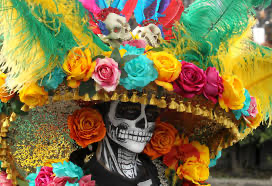
Explaining the Traditions and Origins of the Holiday
What if remembering the dead wasn’t about sadness, but a joyful celebration of life and love? In Hispanic culture, the Day of the Dead does exactly that.
Day of the Dead, or Día de Los Muertos, is a Hispanic holiday mainly observed in Mexico that focuses on honoring deceased loved ones. It is celebrated annually on November 1st and 2nd. A common misconception is that this is a sad holiday, but on the contrary, it is seen as a celebration of life to the many Hispanic families that commemorate it.
This holiday traces back to the traditions of the Aztecs and other indigenous groups that inhabited the Americas. They believed that death was a natural part of life and honored their Goddess Mictecacihuatl (Lady of the Dead) by making offerings and giving gifts to both her and the deceased. When the Spaniards invaded, this tradition was fused with Catholic celebrations like All Saints Day and All Souls Day, holidays that included decorating the graves of loved ones and lighting the way for the deceased to return to their families. This fusion created the modern version of Day of the Dead that we recognize today.
The significance and importance of this holiday is that it’s not about mourning, but rather about commemorating the life and legacy of family and the people that came before us. It doesn’t focus on grief, but rather is a time to honor ancestors. This day also offers the opportunity for people to come together and strengthen community, which in Hispanic culture, is essential and highly valued. This day reinforces cultural identity and creates a sense of pride within Hispanic people. It is very representative of Hispanic heritage, history, and prevailing traditions.
Day of the Dead offers a unique perspective on how to view death and mourning. Even if you are not of Latin/Hispanic origins, it could provide an interesting outlook on personal struggles and relationships. As the holiday approaches, it serves as a reminder for us to cherish our loved ones and not associate death with fear, but rather with remembrance and gratitude.

 The Scroll