
The truth behind SHEIN’s fast-fashion
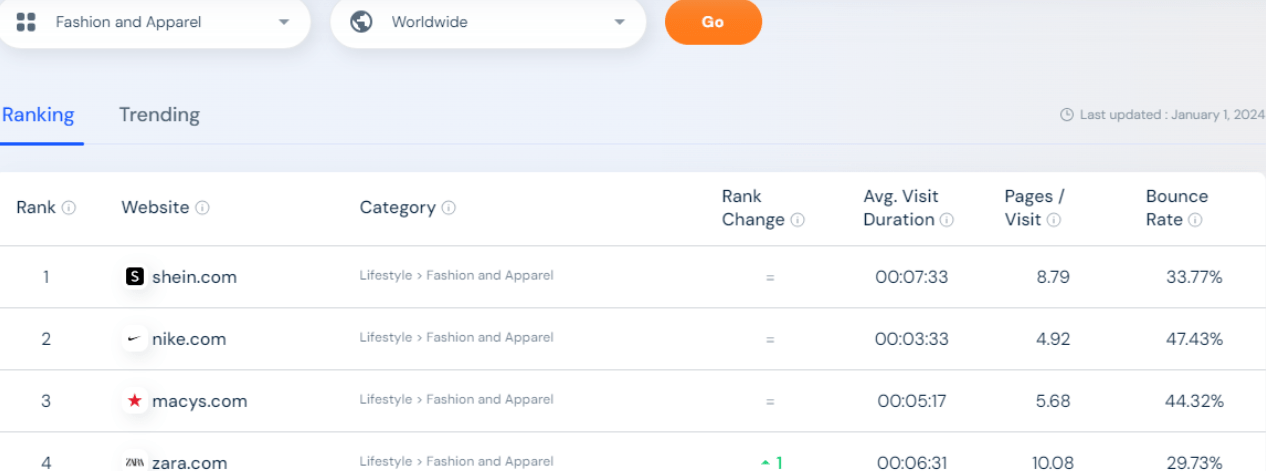
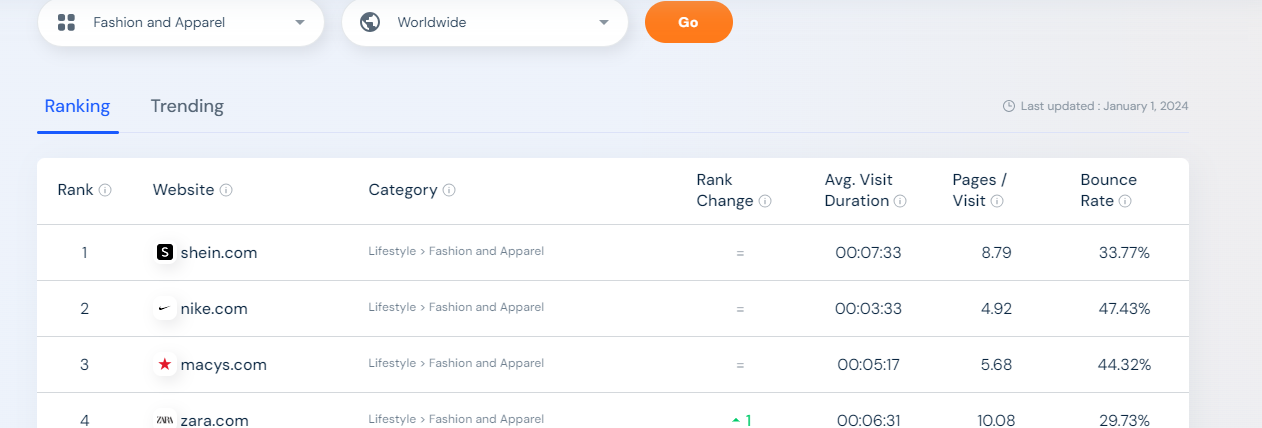
Have you ever wondered why SHEIN is so popular yet controversial? SHEIN has gained huge popularity in recent years. According to a 2023 UBS Report, the average SHEIN shopper spends $100 per month on women’s clothing, which is 60% higher than the average spending on women’s clothing. SHEIN has become the top visited website in the world under the category of fashion and apparel with more than twice the average time spent compared to the second most popular apparel website, Nike.
What is SHEIN?
SHEIN is a global fast-fashion e-retailer founded in China in 2008. Its market has expanded globally, and as of 2022, it stands as the world’s largest fashion retailer. Known for its $2 shirts, $10 dresses, and other rapidly produced clothing, SHEIN employs a marketing strategy with #SHEINhaul videos that have become immensely popular on social media.
What makes SHEIN so special?
Unlike other fashion industries, SHEIN operates in a notably advanced (or unconventional) manner. Comparatively, other stores such as H&M and ZARA operate the way the traditional fashion industry has always run for 150 years. They predict seasonal trends, buy clothing weeks or months in advance, and fill their stores with the clothes they believe the consumer will buy or will be trending in the next season.
However, SHEIN has its own algorithm and data-driven methodology to track the trend in the industry. When trends emerge, they place clothing orders and wait to identify the popular products before scaling up production. This approach makes SHEIN’s production almost twice as fast as stores like H&M and ZARA.
In an interview conducted by Business Insider with SHEIN’s global head of strategy and corporate affairs, Peter Pernot-Day, he debunked the claim that SHEIN utilizes AI in their on-demand fashion. According to him, SHEIN employs audience-engagement technology to identify trends and determine demand, similar to platforms like TikTok and Instagram. Every click within SHEIN’S app becomes a variable in their database. SHEIN then employs statistical sampling to assess the demand though this technology isn’t new. In fact, many online retailers collect similar data to track consumer behaviors.
What sets SHEIN apart is its approach once the demand for a product is determined. SHEIN produces a limited run of the product, and if it performs well, SHEIN will place a bid with its manufacturers for a larger order.
Is that the only issue why SHEIN is so controversial?
Of course not! Many people are highly skeptical of SHEIN’s supply chain due to the lack of transparency about who or where their suppliers are, given the affordability of their products.
Another controversy revolves around the issue of human labor. The US House Committee accused SHEIN of utilizing forced labor from Uyghurs, a claim strongly denied by the Chinese Government. In a Wall Street Journal report, SHEIN asserted that they have no tolerance for forced labor and that they have no contract manufacturers in the Xinjiang region.
In 2023, SHEIN also faced multiple lawsuits related to intellectual property rights. Several artists have found their designs copied with SHEIN’s inexpensive materials and selling them at remarkably low prices, thereby overshadowing their businesses.
But did they do anything to fix their image?
Well, yes, SHEIN is indeed a smart company, and that is how they have managed to survive this long. Currently, there is not enough evidence to fully accuse SHEIN, especially on the issue of cheap labor.
Last June, SHEIN flew in a group of influencers to tour their manufacturing facilities to show their happy laborers and advanced factories. However, this effort only resulted in a significant backlash against the influencers.
Does SHEIN even make a profit with their cheap stuff?
Based on Priori data, SHEIN is estimated to have generated $30 billion in revenue in 2022 and is currently valued at $68 billion.
One of SHEIN’s key strategies is taking advantage of the US tax exemptions, allowing low-value packages to enter the country tariff-free under the de minimis tax rule in which importers are exempt from paying customs duties if the package is worth less than $800.
So, while there’s not enough evidence to prove any wrong doing in this controversy, would you still buy things from SHEIN?
 The Scroll
I will continue to shop at Shein, I have purchased many great items at a bargain and my dollar is valued. They have a large assortment of clothes, many colors and sizes, and they also have cheap custom jewelry which is to my liking, I see no reasons to stop shopping at this time.
LikeLike