
How recent events are shaping the political landscape
One of the goals of the Trump administration has been to expand the capabilities and funding of the Immigration and Customs Enforcement (ICE). xzOver the course of this year, the administration has succeeded in their efforts through the “One Big Beautiful Bill Act,” signed into law by Trump in July 2025. This law provided $170 billion towards border enforcement and deportations. In May of 2025, White House deputy chief of staff for policy and homeland security advisor Stephen Miller encouraged immigration officials to significantly increase the number of undocumented people arrested and deported.
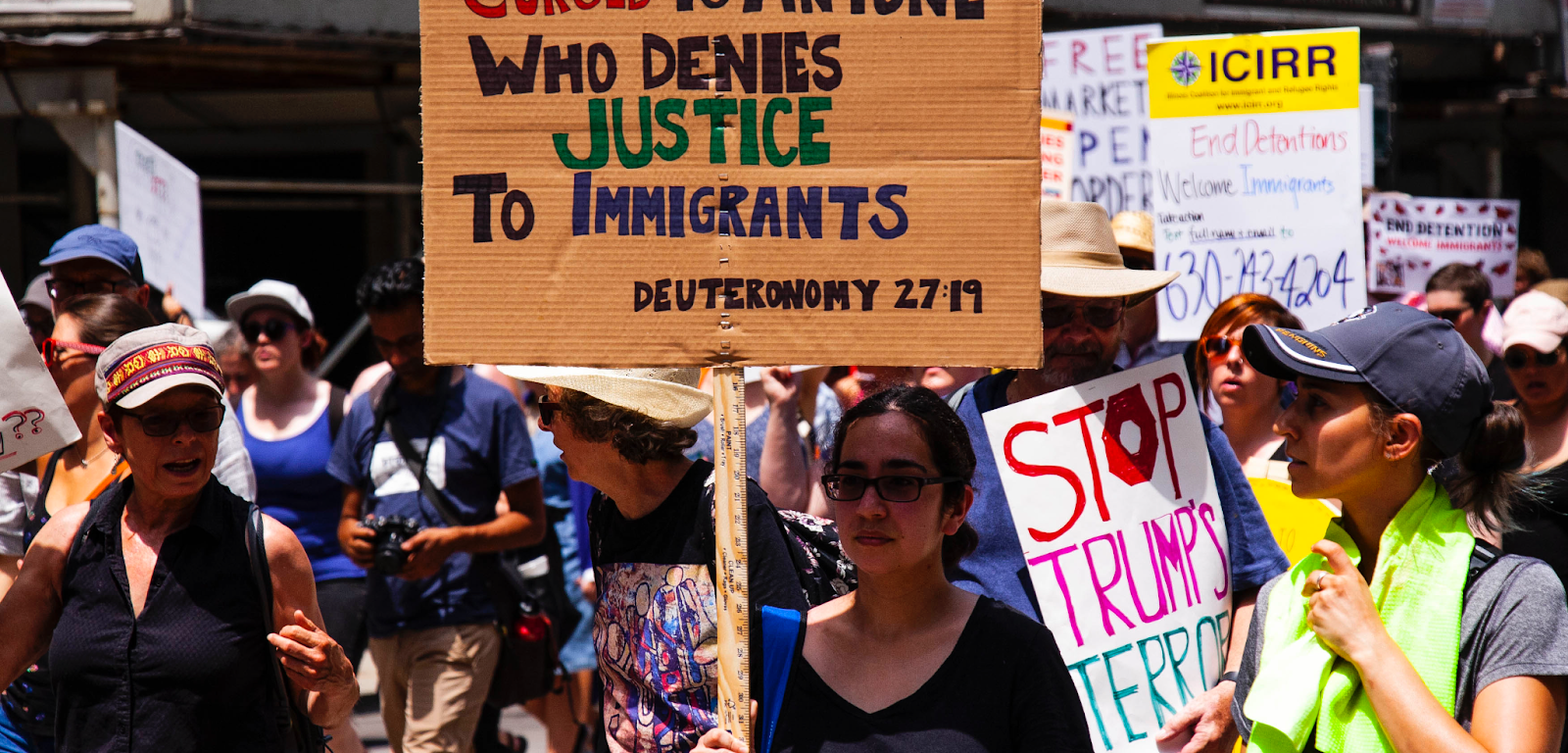
City-wide raids became more prevalent in the summer of 2025, when an increasing number of immigration officials had been deployed to Los Angeles, CA, leading to subsequent arrests. ICE officials started performing massive raids around locations where Latino people often worked, ate, lived, or shopped. Many Los Angeles residents condemned ICE’s actions, and this led to widespread protests around the city. These protests led to clashes between protesters and federal officials and quickly escalated with the use of teargas and flashbangs by government officials. The National Guard was deployed to the city in order to calm the uproar, and this action led to tension between the federal government and California’s state government over the intensity of immigration enforcement/raids.
Nationwide criticism of ICE became common as the immigration agency started performing similar raids and implementing the same tactics in various cities across the United States. ICE agents often travel in unmarked vehicles, wearing facial coverings, and in some cases dress in civilian attire. This practice caused distrust within communities, and some even believe it allows for a lack of accountability for individuals’ actions. ICE’s official policy allows for masking as a safety precaution, but requires them to identify themselves (verbally or by presenting credentials) during arrests.
States as a whole have recently been taking legal action against ICE and the Trump administration. On January 12th, 2026, the state of Illinois filed a lawsuit against the Department of Homeland Security, which oversees ICE. They sued for the use of unlawful and dangerous tactics by immigration agents. “We have watched in horror as unchecked federal agents have aggressively assaulted and terrorized our communities and neighborhoods in Illinois, undermining Constitutional rights and threatening public safety,” said Illinois Governor JB Pritzker, who supported the lawsuit in court.
One of the most notorious recent conflicts with ICE has been in Minneapolis, MN. The icy tension between the city and immigration agents chilled even further when, on January 7th, 2026, ICE fatally shot a Minneapolis resident, Renee Nicole Good. She was a 37-year-old mother of three who had recently moved to the city. During a confrontation with ICE, Good was in her car when she started to move. An ICE agent in her direction believed he would be struck by her vehicle and utilized deadly force, shooting her three times through the windshield and driver’s side window. Regarding her death, President Trump took to social media, describing Renee as a “professional agitator” who “violently, willfully, and viciously” ran over an ICE officer. But, Minneapolis mayor Jacob Frey, went on to condemn the ICE agent. He said “Having seen the video myself, I want to tell everybody directly: that is b*******t… This was an agent recklessly using power that resulted in somebody dying, getting killed.” according to the BBC.The aftermath of the shooting amounted to large-scale protests and further criticism over ICE’s use of excessive force. This calls back to the death of George Floyd, an African American man who was killed by police just a few blocks away from where Good was killed. Similar to her, Floyd’s death sparked nation-wide protests throughout the U.S.
This is an ongoing topic as friction with ICE continues to grow across the country. Disagreements heighten as discussions over how much power is appropriate for ICE to use during raids and arrests continue. Some believe it is necessary in order to keep our country safe, while others believe this is an unconstitutional abuse of power that demands change and legal consequences.
 The Scroll