OM’s Top Phobias
Fear is a normal phenomenon that everyone experiences, but for some people, fear can become much more powerful. A phobia is an intense fear that can be difficult to overcome, even if someone tries. Some people are afraid of spiders, some are scared of heights, while others are afraid of more specific and unique triggers.
At OM, several people shared their phobias and what actually makes them nervous. Some fears were common, while others were more unexpected, and you probably wouldn’t guess them without asking.
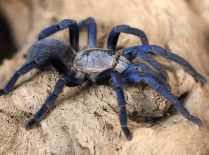
One of the most common fears is arachnophobia, which is a fear of spiders and other arachnids. Sophomore Riyan Jones said her reasoning is simple: she just does not like bugs. She describes them as “creepy” and says, “The way they crawl is enough to make her feel weird.” Senior Charlie Odom also identified her biggest fear as spiders. Odom explained that while visiting a family house in Maine, spiders would sometimes come out of the attic. At one point, she even woke up with a spider on her pillow and underneath her bed. There were also spider bites involved, which could probably make anybody think twice about going near one. Sophomore Carysma Carter said her reasoning is straightforward: “Spiders can be big, small, and sometimes they just show up when you are not expecting them.” And that is probably the worst part about spiders: you can be completely fine, and then suddenly there is one sitting in the corner like it pays rent.
Sophomore Antonia Martinez said that her biggest fear is clowns. This phobia is actually called Coulrophobia, and according to the Cleveland Clinic, “People with coulrophobia may be reacting to a clown’s colorful makeup. This disguise hides a clown’s facial features and distorts facial expressions, creating feelings of distrust.” Martinez’s fear started when her brothers brought her to a carnival to try to get her over her fear of clowns since that’s the only thing she’s scared of. “They took me to a carnival to try to get me over my fear, but it only made it worse.” Antonia’s trip to the carnival did anything but help her get over her fear of clowns.
Freshman Zariah Wafe had a more unique response, saying she is scared of raccoons, which is called procynophobia. Animal phobias, such as this one, could stem from a combination of biological, psychological, and situational factors, triggered by realistic dangers or distressing past encounters. Wafe explained that there were raccoons that lived underneath her house at one point, and they would scare her when she got home from school. She also mentioned she doesn’t really do bugs or tight spaces, so there are a few things she would rather stay away from.
Senior Milan Steele said she is afraid of mold, called mycophobia, which is a general fear of fungus. She explains that she’s allergic to it, which makes the fear more understandable. She describes it as something that gives her anxiety, so she avoids it as much as she can.
Mrs. Harmon, everyone’s favorite substitute, talked about her fear of heights and elevators, which is called acrophobia. She explained that falling can make her stomach drop even when just thinking about it. She also mentioned a fear of getting stuck in an elevator. She described an actual incident where she got stuck, and the elevator door opened, causing her to be able to see the wires that made the elevator move. So instead of waiting for help, she tried to pull herself up and get onto the floor where it was supposed to stop. This incident caused her not to want to use elevators, even if it requires more time and energy to take the stairs. She also said that she waits until another person gets on an elevator if she does have to use one.
Then, there are some phobias that are harder to explain. Senior Nayeli Naboa has probably one of the most unexpected fears: pickles, which is called picklephobia. Naboa explained that her fear started when she was nine, during a family trip to a Renaissance festival, which was one of her favorite festivals to go to. While she was sitting with her mom and sister, they bought a huge pickle and began passing it around nonstop, and eventually it was dropped on her. After that, the smell and sight of pickles just “freak her out.” Naboa also explained that she avoids pickles and doesn’t like when pickle juice gets on her food.
Coach Rob, our JV football coach, took a different approach to the phobia question. When asked about his biggest fear, he said it was disappointing himself and other people. He explained that he holds himself to a high standard, so when he feels like he is “not meeting that standard,” he feels “disappointed and believes he disappointed the people he cares about.”
Not every fear comes from one dramatic event. Sometimes it can come from an experience, something they saw growing up, allergies, or even just the way the brain reacts to something, even if they have long forgotten what originally triggered it. It can be a kind of trauma that someone never gets over, even if they think they have.
Phobias are more than just some random person saying, “I don’t like that”; there are physical indicators of fear. Some symptoms people may have are a racing heart, sweating, shaking, dizziness, trouble breathing, nausea, panic, or an intense need to get away from whatever is causing the fear, according to the Cleveland Clinic.
Fear is different for everybody. What seems completely normal to one person can be the thing that makes someone else want to run in the opposite direction. So, whether it is spiders, clowns, elevators, raccoons, mold, falling, or even pickles, everybody has something.

